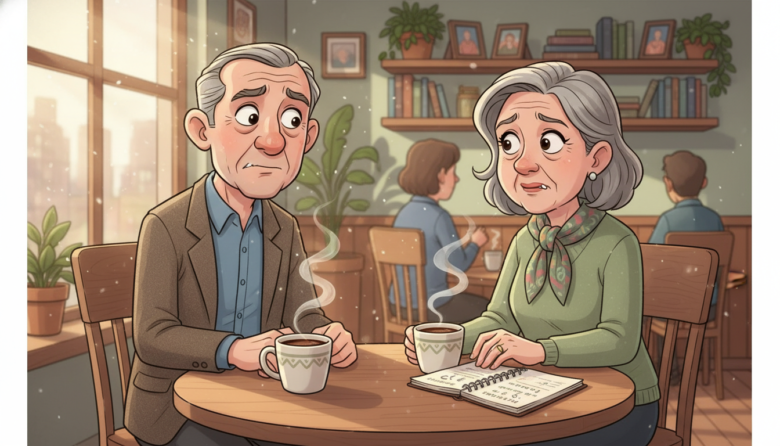
Many people assume that finding romance becomes easier with age and experience. The reality is quite different. Mature adults face unique emotional challenges when entering the dating scene.
Clinical psychologist Karen McDowell, PhD, explains that intimate connections magnify personality traits. Individuals who struggle with worry will experience heightened symptoms when pursuing romantic relationships. This emotional response has deep roots in thinking patterns.
The mind often processes new connections in terms of fear. It automatically seeks confirmation of those fears. For mature daters, relationship concerns can stem from complex emotional issues.
These include fear of intimacy, commitment concerns, or avoidance of romantic commitments. Past relationship experiences often exacerbate these feelings. People carry emotional baggage that influences their current approach to love.
This type of worry manifests uniquely for those in their mature years. Older individuals may carry deeper emotional scars from past heartbreak. The death of a spouse or decades of relationship patterns require significant unlearning.
The intersection of aging and romance creates specific anxieties. These concerns revolve around self-worth, physical appearance, and technological barriers. Many feel pressure to find a compatible partner within a perceived limited timeframe.
Understanding how these feelings differ is the first step toward effective coping. This knowledge helps build the confidence needed for meaningful connections. Recognizing that these challenges are common can empower people to take proactive steps.
Identifying the Signs and Impact of Dating Anxiety
The body often communicates distress through measurable symptoms before the mind acknowledges emotional turmoil. Recognizing these warning signals is essential for maintaining healthy relationship patterns.
Physical and Emotional Symptoms
Physical manifestations include increased heart rate, digestive issues, and sleep disturbances. These bodily responses can create significant discomfort during social encounters.
Emotional feelings often involve persistent worry and fear of rejection. Many people experience constant second-guessing about their attractiveness. This emotional distress can drain energy and motivation.
How Anxiety Affects Your Dating Life
One common ways this situation impacts romance is through avoidance behaviors. Individuals may decline invitations or cancel plans to escape discomfort.
Over-analyzing becomes a hallmark symptom. People scrutinize every interaction, searching for hidden meanings. This constant thought process can sabotage promising connections.
The cumulative effect includes missed opportunities and increased isolation. Understanding these signs helps distinguish internal patterns from actual relationship problems.
Exploring the Root Causes of Dating Anxiety
Uncovering the origins of romantic apprehension reveals complex psychological foundations that develop over time. These underlying factors significantly influence how individuals approach romantic connections.
Clinical psychologist Lesia M. Ruglass, PhD, explains that automatic thoughts about romance tend to be negative. People often believe they are not good enough for a potential partner.
Past Traumatic Experiences and Relationship History
Previous painful experiences create lasting emotional impacts. The loss of a long-term partner or difficult divorces leaves deep scars.
These events build protective psychological mechanisms. While helpful for survival, they become barriers to new connections. The fear of repeating past pain can feel overwhelming.
Attachment patterns from childhood establish relationship templates. Anxious or avoidant styles create particular challenges for mature individuals.
Negative Thought Patterns and Self-Doubt
Negative thinking becomes deeply ingrained over years. The inner critic questions self-worth and anticipates rejection.
Decades of disappointment create cognitive biases. The brain assumes new romantic situations will end badly. This makes openness difficult.
Self-doubt intensifies due to societal messages about aging. People question their attractiveness and relevance. The fear of vulnerability becomes more pronounced with time.
Strategies for Navigating Dating Anxiety in Later Adulthood
Managing relationship concerns requires practical tools and a proactive mindset. Implementing healthy coping strategies can significantly improve your well-being and confidence.
These approaches help you build resilience and create more positive experiences.
Step-by-Step Practical Advice
The first step is acknowledging your feelings without judgment. This conscious decision empowers you to take control.
Starting with small, low-pressure social interactions is an effective practice. Casual coffee meetings or group activities allow connections to develop naturally.
Challenge negative thoughts by asking for evidence. Replace fears with more balanced perspectives.
Building a personal toolkit is essential. Include breathing exercises and positive self-talk for immediate support.
Remember to be kind to yourself throughout the process. Self-compassion is a powerful tool for healing.
If challenges feel overwhelming, consider seeking guidance from a professional. Therapy offers valuable strategies for deep-rooted concerns.
Preparing for Your Date: Communication and Mindfulness Techniques
Preparation transforms potential stress into a manageable experience. A simple practice like listing lighthearted questions beforehand builds confidence. Think about fun topics like favorite travel spots or recent shows.
This preparation gives you a reliable way to steer the conversation. It helps you feel ready for any social situation.
Practicing Present-Moment Awareness
If nervous feelings arise during your date, grounding techniques can help. The 5-4-3-2-1 method is very effective. Notice five things you see, four you can touch, three you hear, two you smell, and one you taste.
This brings your focus back to the present-moment. Deep, slow breathing also calms your body’s response to anxiety.
Effective Communication Tips
Deciding what to share about your feelings is a personal choice. Open communication can sometimes create a deeper bond. You might briefly mention you feel a bit nervous.
Frame it as something you are managing. Alternatively, it’s fine to keep it private. Talking with a friend after the date is another great way to process your experience.
Overcoming Negative Thoughts and Self-Doubt
Transforming negative thought patterns can dramatically improve your approach to relationships. These mental habits often become stronger over time.
Silencing Your Inner Critic
When worry creeps in during social situations, pause and look for positive signs. Clinical psychologist Kathy Nickerson, PhD, suggests seeking evidence that things are going well.
Notice if your partner smiles or asks personal questions. This approach counters projection—assuming others share your negative self-perceptions.
Finding a personal mantra helps redirect thinking when self-doubt appears. Simple affirmations can calm racing thoughts.
Building Confidence Through Small Wins
Celebrate every step forward, no matter how small. Successfully completing a coffee meeting or showing up despite fear builds momentum.
Track positive experiences to create factual evidence against negativity bias. Self-compassion creates healthier self-relationships.
This makes you more attractive to potential partners who value authenticity. Each small success strengthens your belief in forming meaningful connections.
Utilizing Professional and Peer Support
Professional guidance and community connections offer powerful resources for overcoming romantic worries. These approaches provide different but complementary forms of assistance.
When to Seek Guidance from a Therapist
Consider professional help when self-help strategies feel insufficient. A qualified therapist can assess whether your concerns stem from deeper issues.
Cognitive Behavioral Therapy (CBT) helps restructure negative thought patterns. EMDR proves effective for processing past traumatic experiences.
These evidence-based approaches address the root causes of emotional distress. They provide practical tools for real-world situations.
Leveraging Community and Support Networks
Peer connections create valuable understanding and encouragement. Support groups for mature individuals facing similar challenges foster meaningful bonds.
Online forums and local community centers offer accessible options. Sharing experiences with others reduces feelings of isolation.
Trusted family members and friends can provide informal support. This network complements professional guidance effectively.
Tips for a Positive and Empowering Dating Experience
Creating successful romantic connections as an experienced adult involves embracing your authentic self. This approach transforms the search for companionship into a journey of self-discovery.
Embracing Imperfection and Authenticity
Shift your perspective from viewing each encounter as a test of worth. See it as an opportunity to meet interesting individuals. This mindset reduces pressure and allows genuine connections to form.
Release the need to present a flawless version of yourself. The right partners will appreciate your realness more than a perfect facade. Authenticity builds stronger, more meaningful relationships.
You are responsible for managing your emotional state. Don’t expect dates to constantly accommodate your feelings. This prevents codependency and establishes healthier dynamics.
Set clear personal boundaries to protect your well-being. Know when to take breaks or decline invitations. Communicate your needs confidently without apology.
Remember that finding compatible partners may take time. Each experience offers valuable learning. Celebrate the courage it takes to pursue love at this life stage.
Conclusion
Developing confidence in romantic situations is an achievable goal with proper guidance. This comprehensive guide has explored various aspects of emotional challenges that affect many individuals.
Recognizing your feelings represents the essential first step toward positive change. Understanding the root causes helps you address underlying issues effectively.
Practical strategies and coping tools provide real support for managing difficult moments. Whether through therapy or personal practice, these approaches build resilience.
Remember that finding compatible partners may take time. Each experience offers valuable learning opportunities for personal growth.
Your journey toward meaningful connections enriches your overall quality of life. With patience and the right resources, you can overcome fears and build fulfilling relationships.
FAQ
What are the common signs of anxiety when starting to date again?
How can my past relationships affect my current fear of connection?
What are some immediate coping strategies I can use before a date?
When should I consider getting professional support for my relationship anxiety?
How can I communicate my needs to a new partner without feeling vulnerable?
What are some ways to build confidence in my dating life?

Bob Smith is a renowned specialist in relationship dynamics and a dedicated communication coach with over 12 years of experience helping individuals build authentic and lasting connections. With a solid background in Social Psychology and an extensive career in couples counseling, Bob has committed his life’s work to demystifying the complexities of modern dating and emotional intelligence.


