What does it mean to be attractive today? The conversation around beauty is changing fast. For generations, narrow parameters defined who was considered appealing.
We are now moving past those old measures. National Geographic research highlights a powerful truth. In our modern culture, denying someone beauty is like denying their basic humanity.
This shows how deeply these standards are woven into our world. To call someone unattractive can feel like dismissing their worth. This article guides you through this complex shift.
You will explore why traditional definitions of beauty no longer serve our diverse society. We are expanding what attractiveness means. It now includes a broad spectrum of qualities beyond just physical appearance.
Understanding this change matters for your self-esteem and how you see others. This exploration will show you the historical context and the forces creating new perspectives today.
A New Perspective on Beauty and Attraction
A quiet revolution is reshaping how we perceive and experience beauty in our daily lives. Your personal understanding of what makes someone appealing is likely changing in meaningful ways.
Understanding Your Evolving Ideals
What you find attractive today may differ from what you valued years ago. This evolution is natural and healthy. Your ideals grow as you do.
Culture, media, and life experiences shape your views. By recognizing these influences, you can consciously choose which aspects to keep. This awareness empowers your personal journey with beauty.
Embracing a Broader Definition of Beauty
Trauma-informed stylist Nicole Garfunkel asks a powerful question. She wonders if attractiveness is about “how deeply you live inside your body” rather than how you look. This shifts focus from external appearance to internal presence.
True beauty emerges when you feel comfortable in your skin. It includes authenticity, confidence, and the courage to be your full self. This broader definition creates space for all people to feel worthy.
When you feel at home in your body, you project an appeal that transcends physical measurements. This way of being recognizes that each person’s beauty is unique and valuable.
The Evolution of Beauty Standards
The definition of beauty is a story written by time and culture, constantly being rewritten with each new era. What one generation holds as the pinnacle of beauty often becomes outdated for the next.
This shows that these ideals are constructed, not natural. They reflect the values and power structures of their time.
Historical Shifts in Aesthetic Ideals
Beauty standards have never been static. They shift dramatically across different time periods.
A key moment occurred in 1997. Sudanese model Alek Wek appeared on the cover of Elle magazine.
Her velvety ebony skin and distinctly African features challenged decades of homogeneous representation. This was a watershed moment for beauty.
Historically, the fashion industry promoted a very narrow standard. It favored a specific set of European features.
This rigid definition made beauty seem impossible for many. The further someone diverged, the more “exotic” they were labeled.
Global Influences and Cultural Differences
Around the world, cultures have always had their own distinct beauty standards. Your idea of beauty is likely shaped by your immediate environment.
Preferences for skin tone, body shape, and facial features vary greatly globally. Understanding these differences helps you see that no single standard is universal.
Increased interconnection now exposes you to diverse aesthetic traditions. This global exchange continues to expand our collective understanding of beauty.
Exploring Redefining Attraction Standards
The authority to define beauty is no longer held by a select few industry gatekeepers. Technology has dramatically accelerated the process of challenging traditional norms. National Geographic reports that consumers now demand greater inclusion and use social media to pressure beauty establishments.
This represents a fundamental power shift in our culture. Ordinary people now help shape what qualifies as attractive.
Challenging Traditional Norms
You’re witnessing a cultural moment where specific physical requirements face serious questioning. Diverse voices demand recognition beyond old frameworks. This isn’t about adding more options to an existing system.
It involves rethinking how society assigns value based on appearance. Previous measures often served specific interests while excluding entire populations.
You can participate by examining which ideals you’ve internalized. Question whether they reflect your true values or simply repeat absorbed messages. Understanding how these norms were established helps you recognize their subtle operations.
The movement gains momentum as people reject rigid boundaries. Genuine appeal manifests in countless different ways. This awareness allows you to consciously choose inclusive perspectives.
Media Influence and the Modern Beauty Narrative
Your daily scroll through social media feeds has become a powerful force in shaping contemporary beauty ideals. The traditional media landscape where magazines and runways dictated what was attractive has transformed dramatically. You now participate in beauty conversations that were once controlled by industry insiders.
Social Media’s Role in Shaping Perceptions
Platforms like Instagram and TikTok constantly expose you to curated images that influence what you find appealing. These spaces provide opportunities for self-expression but also create pressure through filtered content.
You see idealized body shapes more frequently than ever before. This constant exposure can affect your perception of normal or desirable appearance. Media literacy becomes essential as you navigate these digital spaces.
Influencers, Brands, and the Shift in Power
Influencers have emerged as new arbiters of beauty standards, often wielding more influence over your perceptions than traditional fashion media. These independent voices challenge established norms and demand accountability.
Brands must now respond to consumer demands amplified through social media. The transparency of digital platforms makes it harder for companies to maintain narrow beauty standards without facing backlash. This represents a fundamental shift in where power resides in defining attractiveness.
You’re witnessing a unique moment where everyday people help shape beauty narratives alongside traditional institutions.
Personal Values and the Role of Embodiment
Your personal values create a powerful foundation for how you present yourself to the world. Trauma-informed stylist Nicole Garfunkel suggests using these values as a compass for your style choices. This approach makes fashion a more intentional part of your life.
Aligning Your Style with Your Beliefs
Your clothing can actively support what you believe in and want from life. This alignment doesn’t need to be literal. It can simply reflect your core values through your choices.
You might choose sneakers because you value movement. Or select bold patterns because you refuse to feel small. Each decision signals what matters to you as a person.
This values-based approach shifts focus from curating a perfect closet. Instead, you ask whether your choices support the life you’re trying to live. Your appearance becomes an extension of your authentic self.
Navigating the Tension Between Appearance and Identity
Many people experience tension between how they want to look and external pressures. Your authentic self might express through different aesthetic choices than society expects.
Embodiment means being fully present in your body. You make choices based on your feelings rather than just how you appear to others. This creates a more comfortable way of being.
The version of yourself that feels most free honors your values and comfort. It expresses authenticity regardless of conventional expectations. This approach reduces the shame often associated with fashion choices.
Diversity and Inclusivity in Today’s Beauty Industry
Today’s beauty industry is embracing a wider spectrum of human appearance than ever before. You’re witnessing a significant shift where inclusivity has moved from the margins to the center of brand messaging and representation.
Celebrating All Body Types and Unique Imperfections
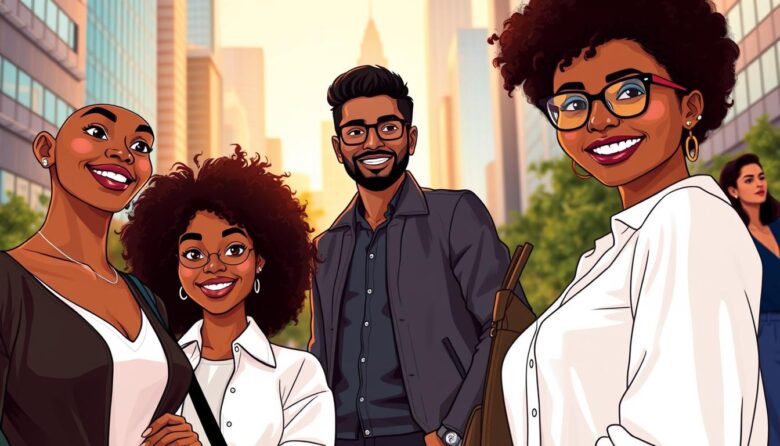
Celebrating diverse body types means recognizing that beauty exists across all human forms. This includes people of different sizes, ages, and abilities. The industry now showcases women who were historically excluded from beauty narratives.
National Geographic documents this expansion over the past two decades. The movement includes women of color, plus-size individuals, and those with visible differences like vitiligo. Landmark moments include Ashley Graham’s 2016 Sports Illustrated cover and Halima Aden wearing a hijab in the same publication.
What were once called imperfections are now celebrated as authentic features. Scars, stretch marks, and cellulite appear in campaigns as natural aspects of real bodies. This shift challenges narrow beauty standards that dominated for generations.
You benefit from seeing diverse models and individuals represented authentically. This expanded vision of beauty creates healthier environments for everyone in our culture. It allows you to appreciate your own unique skin tone and body shape as legitimate expressions of attractiveness.
Reclaiming Self-Worth and Body Positivity
Building body confidence requires more than just positive thoughts—it demands concrete strategies for change. Many individuals struggle with self-esteem because society places excessive value on specific body shapes and weight.
This pressure particularly affects women who face unattainable ideals from young ages. The connection between your worth and appearance has been artificially strengthened by beauty standards that benefit industries selling solutions.
Practical Steps for Building Confidence
Start by developing media literacy skills. Learn to critically evaluate the images you see online. Understand how editing and filters create unrealistic portrayals of bodies.
Surround yourself with diverse representations of beauty. Follow social media accounts that show realistic bodies rather than perfected versions. This helps challenge internalized standards.
Create community with other people working to reject harmful ideals. Body image struggles often feel isolating until you realize you’re not alone. Open discussions about vulnerability can lead to collective healing.
Support brands that showcase authentic bodies with natural variations. Your purchasing choices reinforce your acceptance while shifting broader standards. This practical approach builds resilience against messages telling you your body is wrong.
Remember that body positivity isn’t about loving every aspect of your appearance. It’s about refusing to let arbitrary standards limit your participation in life. Your value exists separately from your weight or shape.
Conclusion
We stand at a pivotal moment in how society values human appearance and worth. The cultural transformation you’ve witnessed represents meaningful progress, though significant work remains ahead.
As National Geographic notes, we haven’t reached utopia. Many exclusive realms still overlook larger women, disabled individuals, and senior citizens. The power to define beauty has shifted toward everyday people through technology and social media.
Your personal choices matter in this ongoing evolution. By supporting diverse representation and questioning narrow ideals, you contribute to healthier environments where appearance carries less weight. The future promises even more inclusive standards that celebrate human diversity in all its forms.
FAQ
How have beauty standards changed over time?
What role does social media play in how we see beauty?
How can I build confidence in my own appearance?
Why is diversity in the beauty industry important?
How can I handle the pressure to look a certain way?

Bob Smith is a renowned specialist in relationship dynamics and a dedicated communication coach with over 12 years of experience helping individuals build authentic and lasting connections. With a solid background in Social Psychology and an extensive career in couples counseling, Bob has committed his life’s work to demystifying the complexities of modern dating and emotional intelligence.