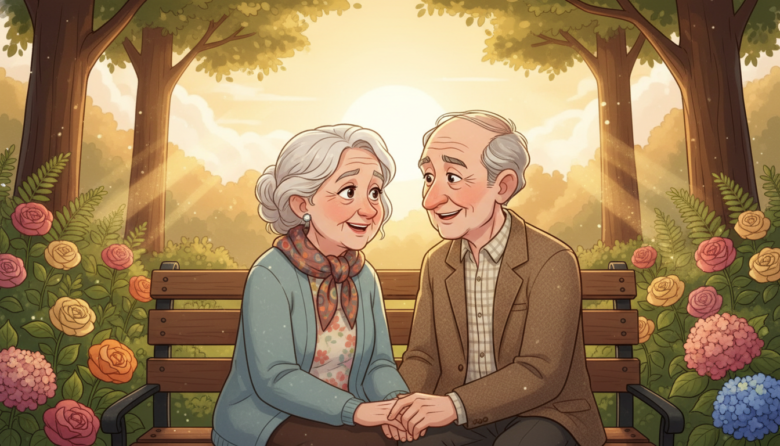
Many people believe deep relationships only form in youth. This misconception overlooks the rich potential of later life. The retirement years offer unique opportunities for genuine bonds.
Research from the National Institute on Aging reveals important benefits. Seniors with active social lives experience better physical health. They also show improved cognitive function and longer lifespans than isolated peers.
Life after sixty brings freedom from career and family pressures. This creates space for authentic relationships to flourish. Strong social bonds become increasingly vital as we age.
Studies indicate that seniors with meaningful relationships may live up to five years longer. This section explores how to cultivate rich social lives today. We will cover practical strategies and community resources.
Both romantic partnerships and deep friendships contribute to emotional fulfillment. Modern seniors have more support systems than ever before. While challenges exist, they can be overcome with the right approach.
The Importance of Building Meaningful Connections After 60
Later life stages offer unique advantages for cultivating friendships that provide essential support. These relationships become fundamental necessities rather than pleasant extras. They significantly impact physical, emotional, and mental health outcomes.
Understanding the Role of Friendship in Later Life
Friendships formed during retirement years often carry special depth. People share similar life experiences and understanding. This creates bonds with profound appreciation for life’s journey.
Research shows seniors with active social lives experience better physical health. They also demonstrate improved cognitive function. These individuals can live up to five years longer than isolated peers.
Health and Emotional Benefits
Regular social interaction provides concrete health advantages. It reduces risks of cardiovascular problems and arthritis. Certain cancer risks also decrease with consistent engagement.
Strong social ties contribute significantly to cognitive health. They lead to lower depression rates and reduced cognitive decline risk. Social isolation carries health risks equivalent to smoking 15 cigarettes daily.
Moving to community environments transforms well-being for many seniors. Meaningful friendships serve as powerful medicine against loneliness. They address two common challenges facing older adults.
Understanding the Benefits of New Friendships and Romantic Relationships
Creating social networks post-retirement offers profound advantages for mental and physical vitality. These personal ties provide essential wellness benefits that enhance quality of life.
Cognitive and Physical Wellness Advantages
Regular social engagement strengthens both mind and body. New friendships and romantic relationships keep cognitive functions sharp.
Social interaction reduces risks of cardiovascular issues and arthritis. It also helps prevent certain cancers. These relationships provide mental stimulation through shared activities.
Strong social ties boost immune responses. They contribute to better cardiovascular health. Active seniors with rich social lives experience enhanced physical wellness.
Emotional Stability and Reduced Loneliness
Personal relationships offer crucial emotional support. They create a sense of belonging that diminishes isolation.
Romantic partnerships built on life experience foster deep intimacy. Friendships formed later often have special depth from shared current experiences.
Social networks help seniors face life’s challenges with resilience. They provide emotional stability through mutual understanding and companionship.
Overcoming Challenges in Making New Connections
While the desire for companionship remains strong, forming new relationships can feel daunting for many seniors. Common thoughts like “I’m too set in my ways” or “Nobody wants to hear my stories” can create mental barriers. These challenges are real but can be overcome with the right approach.
Addressing Social Anxiety and Age-Related Barriers
Major life changes often trigger social anxiety. Retirement, relocation, or loss can make people hesitant to reach out. These feelings are completely normal.
Taking small steps at your own pace is recommended. Starting with structured activities helps conversation flow naturally. Many find success by joining groups where shared tasks ease social pressure.
Tackling Mobility and Health Limitations
Physical limitations shouldn’t prevent social engagement. Many communities offer accessible fitness programs designed for various ability levels. Transportation services remove barriers to participation.
Shuttle systems and volunteer ride programs ensure seniors can attend events. These accommodations make social participation possible for everyone. The right support systems open doors to valuable friendships.
With practical solutions available, people can focus on forming genuine bonds. The rewards of new friendships make overcoming these challenges worthwhile.
Leveraging Community Resources and Life Plan Amenities
Modern senior living environments are designed to foster interaction through organized events and facilities. These settings provide built-in social opportunities that make relationship development natural and enjoyable.
Exploring Community Events and Clubs
Life Plan communities offer extensive calendars filled with diverse activities. At Pine Run Village in Doylestown, PA, a 37,000-square-foot community center serves as the hub for campus life. This facility includes a fitness center, pool, auditorium, library, and dining amenities.
Monthly schedules feature dozens of different events. These range from fitness classes and art workshops to lecture series and group outings. Interest groups cover nearly every hobby imaginable.
Book discussions, gardening, woodworking, bridge, and current events groups are commonly available. If your specific passion isn’t represented, staff can help you start a new club. This ensures everyone finds activities matching their interests.
Utilizing Fitness Classes and Wellness Programs
Community fitness programs serve dual purposes for residents. They improve physical health while creating natural social settings. Trained professionals lead engaging group classes suitable for various ability levels.
These programs are accessible even for those with mobility limitations. Regular participation builds familiarity among attendees. Shared experiences in fitness activities help friendships develop organically over time.
Wellness programs create inclusive environments where people connect through common health goals. The consistent schedule allows relationships to grow through repeated positive interactions.
Utilizing Technology to Enhance Social Bonds
Digital innovation has transformed how older adults maintain social engagement in today’s connected world. Technology provides powerful solutions for those facing mobility or transportation limitations.
Many Life Plan communities now offer comprehensive technology resources. These include computer terminals and training sessions to help residents stay connected with peers and family.
Digital Tools for Connection and Engagement
Platforms like PSL’s Connected Living channel provide real-time updates on community events and schedules. Streaming services allow participation in campus activities from home.
Creative projects demonstrate technology’s potential. Quincy Village recorded “The Reluctant Grandpa” musical for YouTube. This extended participation beyond physical attendance.
Social media and online hobby groups help people discover like-minded individuals globally. Video calling apps maintain face-to-face interactions with distant loved ones.
Technology workshops teach seniors to use tablets and smartphones effectively. These skills open new avenues for virtual participation in support groups and special interest activities.
Practical Steps for Initiating and Strengthening Relationships
Effective social connection begins with straightforward techniques that create natural openings for interaction. Simple actions can lead to lasting friendships when approached with consistency.
Starting Conversations and Finding Common Interests
A warm smile and eye contact signal openness to new friends. Resident ambassadors in communities help newcomers find activities and dining partners.
Shared interests provide perfect conversation starters. Discussing books or working on puzzles together creates comfortable openings. These shared experiences build natural rapport.
Participating in enjoyable activities leads to organic friendships. Common ground emerges when people engage in passions they love.
Building Trust Through Regular Interactions
Active listening techniques demonstrate genuine interest in conversations. Paraphrasing and maintaining eye contact show you value others’ perspectives.
Open-ended questions invite deeper discussions about experiences. This approach helps friendships develop through authentic curiosity.
Regular routines create the consistent time needed for relationships to grow. Weekly lunch dates after club meetings provide perfect opportunities. Consistent contact transforms casual acquaintances into close friends over time.
Nurturing and Deepening Your New Connections
Turning casual friendships into lasting bonds requires deliberate effort and shared experiences. The transition from acquaintance to close companion happens through consistent, meaningful interactions.
Life Plan communities provide ideal environments for this natural progression. Structured activities create regular opportunities for relationship growth.
Participating in Group Activities and Support Networks
Regular participation in clubs and events fosters deeper social connections. Kristie, who leads the Photography Club at Ware Presbyterian Village, observes how members become dear friends.
She notes their routine includes lunch together after meetings. This consistent contact strengthens their friendships through shared experiences.
Support networks address life’s challenges while creating bonds. Resident-led groups for caregivers and health issues provide safe spaces.
These gatherings allow people to form relationships through mutual understanding. Shared experiences in these settings create profound trust among participants.
Celebrating milestones together weaves memories into relationship tapestries. Gardening projects or book discussions create natural bonding opportunities.
Balancing independence with community involvement maintains personal space while enjoying social benefits. This approach supports healthy aging and enriches lives.
Conclusion
Personal relationships developed during our senior phase often carry a special significance that enhances daily living. These bonds flourish with genuine depth when career pressures ease.
As Patti from Ware Presbyterian observed, “People are just so open about sharing their lives because there’s no tension, no stress. When you move here, it’s as if you have 100-plus new best friends.” This sense of belonging transforms the aging experience.
We encourage taking one small step toward social engagement today. Join a fitness class, introduce yourself to new people, or attend a community event. Your next friendship may be just a hello away.
While challenges exist in forming relationships later in life, seniors find remarkable support within their communities. Shared experiences create resilient bonds that enrich our golden years.
Embrace this chapter with openness to new friendships. Celebrate milestones together and weave memories that warm your heart through all of life’s seasons.
FAQ
Why is it important to focus on community and friends at this stage of life?
What are some effective ways to meet new people and form relationships?
How can health or mobility challenges be managed when trying to socialize?
What role can technology play in fostering these bonds?
How do you turn a new acquaintance into a lasting friendship?

Bob Smith is a renowned specialist in relationship dynamics and a dedicated communication coach with over 12 years of experience helping individuals build authentic and lasting connections. With a solid background in Social Psychology and an extensive career in couples counseling, Bob has committed his life’s work to demystifying the complexities of modern dating and emotional intelligence.


