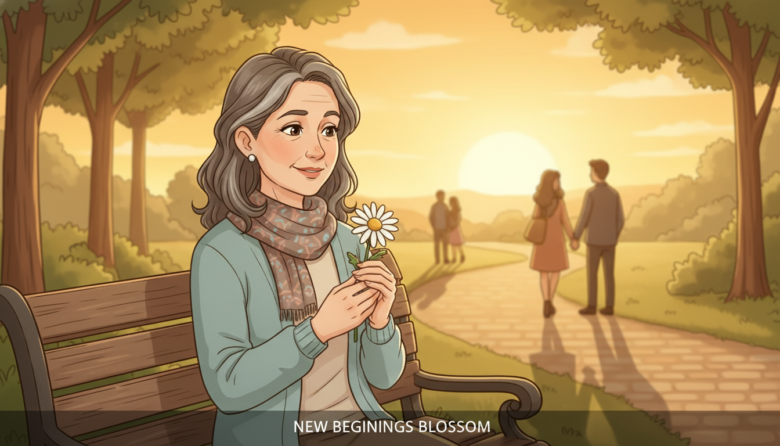
Considering a new relationship following the death of a partner is a deeply personal matter. It often sparks strong feelings within communities of those who grieve.
Some individuals view this step as a betrayal. Others see it as a natural part of moving forward. The journey through sorrow is unique for every person.
Your background, beliefs, and family all shape how you cope. There is no universal timeline or correct path to follow.
The central question is not what others think you should do. It is about discovering what feels right for you personally. This decision requires honest self-reflection, free from outside pressure.
We will explore the complex emotions involved. This includes the fear of starting over and the challenge of honoring a past love while being open to new possibilities.
Introduction to the Journey of Dating After Loss
The path toward considering companionship following the passing of a spouse is unique for each individual. This journey unfolds against the backdrop of personal sorrow and the gradual process of rebuilding.
Context of Grief and Rebuilding
For many, thoughts of new connections emerge long after the initial, sharp pain of grief softens. There is no universal schedule for this.
Some people may feel curious within months. Others may take years, or never feel the desire at all. Losing a partner reshapes your entire world.
Your daily routines, identity, and future plans are fundamentally altered. This creates a space that some may wish to fill with new company.
Your background plays a huge role. Cultural norms, religious beliefs, and family dynamics all influence your feelings. Even siblings can have vastly different coping styles.
Purpose and Scope of the Article
This guide offers a balanced framework for your personal reflection. It does not push you toward or away from seeking a new partnership.
The goal is to provide supportive information. This helps you assess your own emotional readiness with clarity.
We will explore how to understand your motivations and set healthy limits. The focus is on making choices that feel authentic to you now.
Whether you are uncertain, curious, or actively looking, this article provides relevant insights for your situation.
Understanding Your Grief and Emotional Readiness
Assessing your emotional capacity after experiencing profound grief is a crucial first step. Many people wonder when they might feel ready to connect with others again.
Recognizing the Stages of Grief
Grief does not follow a straight path. You may move through different feelings at various times.
The process includes denial, anger, and acceptance. These stages can repeat throughout your life. There is no finish line for this journey.
Evaluating Personal Emotional Stability
Ask yourself honest questions about your daily routine. Are you sleeping and eating regularly?
Have you returned to work or meaningful activities? Can you spend time alone without overwhelming distress?
Reconnecting with friends and family is a positive sign. It shows you have emotional space for new experiences.
Readiness means your grief has evolved. You can handle complex feelings while honoring your past.
Exploring Your Motivation for a New Relationship
Clarifying your personal motivations can guide you toward more fulfilling connections. Before pursuing romance, understanding your “why” is perhaps the most critical step.
Identifying Personal Desires and Needs
Ask yourself what you truly want from companionship. Are you seeking joy and fun? Do you want to build a deep connection with another person?
Some individuals experience strong physical desires following their spouse’s passing. Recognizing this need honestly allows you to seek appropriate connections.
Being clear about your intentions prevents misunderstandings. It ensures both people enter the relationship with aligned expectations.
Balancing Loneliness with Authentic Intentions
Loneliness is a valid reason for wanting companionship. However, consider other ways to address this feeling first.
Community involvement, volunteering, or spending time with friends can help. A new relationship should complement your life, not complete it.
You should be strong enough to stand on your own. Then you can share your rebuilding journey with another person authentically.
Assessing Life Post-Loss and Readiness to Date
Evaluating your current emotional landscape can reveal whether you’re prepared to welcome someone new. This assessment involves honest self-reflection about your daily functioning.
Ask yourself key questions about your grieving process. Have you returned to regular activities like work or volunteering?
Signs You Are Emotionally Prepared
Look for positive changes in your daily patterns. Improved sleep and eating habits compared to early grief days indicate progress.
Social reconnection is a significant marker. Feeling comfortable both in public settings and when home alone shows emotional stability.
There’s no universal timeline for when people are ready to start exploring connections. Some feel prepared within months, while others need years.
One man began seeing people five months after his spouse’s passing. Despite family concerns, he felt he was ready to date and has no regrets.
The crucial principle is building personal strength first. You should be secure enough on your own before adding companionship to your life.
Dating Later in Life After Loss or Widowhood
The question of whether to connect with someone who understands loss personally is complex. Today’s social landscape looks very different from what you may remember.
Defining What Modern Dating Means Post-Loss
Entering the social world again means navigating new technologies and expectations. Online platforms and changing norms create a different environment.
Many individuals begin exploring connections within months of their spouse’s passing. The timing varies greatly between people.
Some find great comfort in partnering with another widow or widower. Shared understanding creates immediate empathy for grief fluctuations and mentions of past partners.
However, this path has challenges. Supporting two grief journeys simultaneously can be emotionally exhausting. There’s risk of anchoring each other to pain rather than growth.
The essential quality in any partner is respect for your past life. They should willingly accommodate your process and give you space to remember.
Setting Healthy Boundaries and Managing Expectations
Creating healthy parameters for new connections ensures both partners feel respected and understood. This delicate balance requires clear communication about your emotional needs.
Communicating Your Needs to New Partners
Open dialogue forms the foundation of any healthy partnership. Be honest about your emotional journey and occasional difficult moments.
Your new partner should understand that honoring your past doesn’t diminish current feelings. Explain that memories may surface unexpectedly, but this is natural.
Respecting Your Past While Embracing the Present
Avoid comparing your current partner to your late spouse. While reflection is natural, constant comparisons create unfair pressure.
When discussing your previous relationship, present a balanced picture. Share both positive qualities and human imperfections.
This approach keeps memories realistic and prevents idealization. It helps your new partner feel valued for their unique contributions to your life.
Practical Strategies for Re-entering the Dating World
Embarking on social connections again requires thoughtful, practical approaches. This phase is about applying your emotional readiness to real-world situations.
The goal is to build confidence gradually while protecting your well-being. Effective strategies make the process smoother and more rewarding.
Taking It Slow and Testing the Waters
Begin with low-pressure social outings. A coffee meet-up is a great way to start dating without the intensity of a formal dinner.
Give yourself permission to take time between dates. This allows you to process your feelings without feeling rushed.
If you feel overwhelmed, it’s okay to pause your search for a while. Listening to your emotional needs is the most important thing.
Learning from Past Experiences
Reflect on what you valued in your previous partnership. Also consider what you might want to experience differently this time.
When you start dating, be honest about your journey. Most people will appreciate your openness.
It’s normal to feel rusty with social customs at first. Forgetting small things like who pays is common.
Your confidence will return with practice. Each date is a chance to learn and grow more comfortable.
Navigating Social Judgments and Overcoming Guilt
Dealing with opinions from others can be one of the most difficult parts of moving forward. People will always have thoughts about your choices. Some will think you are moving too fast, while others believe you are waiting too long.
This is an inevitable part of the process for many widows and widowers. Learning to filter these external voices is essential for your well-being.
Handling External Pressures and Criticism
Judgment can come from all directions. Well-meaning friends may worry you are not ready. Other people might think you should have moved on already.
Your decisions are deeply personal and none of anyone else’s business. You do not owe explanations to others about your choices.
Remember that people’s judgments often reflect their own beliefs and fears. Trying to please everyone is impossible and emotionally exhausting.
Managing Internal Feelings of Guilt
Internal guilt is often more challenging than external criticism. Many people feel like they are betraying a late spouse.
These feelings of guilt are completely normal. They should subside over time, especially when you find someone special.
If intense guilt persists, it may signal you need more time. Overcoming guilt involves reframing your understanding of love and loyalty.
Loving someone new does not erase your past love. Your journey is about finding happiness on your own terms.
Managing Family Dynamics When Starting to Date Again
Introducing a new partner to your family following the passing of a spouse requires thoughtful navigation of complex emotional terrain. This process demands sensitivity and clear communication with all involved.
Communicating with Children and Loved Ones
Children often feel protective of the family unit formed after a parent’s death. They may worry a new person will replace their mom or dad.
Reassure your children that your love for their parent remains unchanged. Explain that someone new adds value rather than subtracts from your shared memories.
Prioritize your children’s comfort by listening to their concerns. If they genuinely dislike someone you’re seeing, their feelings should matter most.
Addressing In-Law and Social Concerns
Your late spouse’s family may need reassurance that their loved one remains cherished. Openly communicate that they’ll always have a place in your life.
Some friends or relatives might treat your new partner poorly. Address this behavior privately but firmly when it occurs.
Different family members will accept your new relationship at various paces. Patience and ongoing dialogue help navigate these dynamics successfully.
Tips for Building a Fulfilling New Partnership
Building a meaningful connection requires conscious effort to make your companion feel truly valued. This fundamental principle often gets overlooked when someone has experienced deep love before.
Your attention should make your partner feel special during your time together. They should never feel like they’re competing with memories from your past.
Embracing New Experiences and Interests
Be open to activities and hobbies that differ from your previous experiences. Exploring new interests together creates fresh memories and strengthens your bond.
Different doesn’t mean disloyal—it means growing together. Trying new restaurants or visiting unfamiliar places can bring excitement to your relationship.
Maintaining Your Unique Identity Amid Change
Remember who you are beyond your past experiences. Your interests, values, and personality make you uniquely attractive to your partner.
Don’t settle for someone just because they fill a void. Choose a person who genuinely enhances your life and brings you joy.
This partnership should make you feel loved and cherished for who you are now. Putting in the work creates a relationship where both people thrive.
Conclusion
Finding your footing after such a profound loss requires listening to your inner voice above all else. This deeply personal choice deserves respect, whether you feel ready to connect with someone new or not.
Simply considering this step is a healthy sign of progress in your grief journey. It shows you can imagine a future that honors your late spouse while being open to new experiences.
Companionship can come from many sources. Family, friends, and community offer great comfort. A romantic partnership is one path, but it requires significant emotional work.
Trust your own judgment about timing. If you decide to explore, take things slowly. Your instincts will guide you toward what feels right for your life now.
This exploration itself helps you understand how your loss has shaped you. It reveals your changing needs and vision for the future. Whatever you choose, proceed with courage and self-compassion.
FAQ
How do I know if I am truly ready to start a new relationship?
Is it normal to feel guilty about dating again?
How should I talk about my past with a new person?
What is the best way to handle reactions from family and friends?
How can I set healthy boundaries in a new partnership?
Where is a good place to meet people when I’m older?

Bob Smith is a renowned specialist in relationship dynamics and a dedicated communication coach with over 12 years of experience helping individuals build authentic and lasting connections. With a solid background in Social Psychology and an extensive career in couples counseling, Bob has committed his life’s work to demystifying the complexities of modern dating and emotional intelligence.


