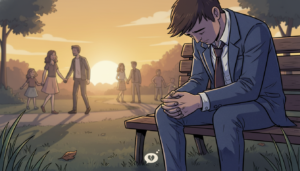
Spending a significant amount of time on your own creates a unique life pattern. You build routines that work for you. You develop a deep sense of self-sufficiency. Your happiness comes from within, not from another person.
This independence is a strength. Yet, when you consider opening your life to a romantic partner, it can feel complicated. You might feel excited about finding love. At the same time, you may worry about losing the identity you’ve carefully built.
This is a common experience. In fact, dating app Bumble found that 59% of users are now more direct about what they want in a relationship. This trend, called “hardballing,” shows many people value their independence even while seeking connection.
This article offers practical strategies for this important life transition. You will learn how to maintain your authentic self while creating space for a healthy relationship. Our goal is to help you feel confident as you move forward.
Understanding Long-Term Singlehood and Its Effects on Your Dating Confidence
Living independently for an extended period equips you with a distinct set of life skills. Your current relationship status is simply a chapter in your story, not a definition of your worth. It’s crucial to see this time for what it often is: a period of significant personal development.
Recognizing the Benefits of a Fulfilling Single Life
This phase of your life is far from empty. You likely built strong self-reliance and a clear sense of who you are. Your happiness wasn’t dependent on others.
Relationship expert Ellen Nguyen notes that “being single and being in a relationship are simply two different states of being.” This time allows for deep connections with friends and family. It provides a solid foundation for future healthy relationships.
Common Misconceptions About Singlehood and Dating
Many people wrongly assume that being unattached means you are lonely or incapable of commitment. In fact, your status often reflects intentional choices, like focusing on your career or maintaining high standards.
Dr. Pepper Schwartz explains that people may “build up walls about maintaining their independence” after a good solo life. Societal pressure often paints this life as a problem. But countless single people have used this period for growth, making them better partners.
Understanding this helps you see your experience as a valuable strength, not a hurdle.
Rebuilding Self-Worth After Long-Term Singlehood in Dating
Your journey of living solo has shaped a unique personal foundation. This experience often creates a paradox where you feel both confident and uncertain about dating.
Relationship expert Ellen Nguyen reminds us that “whether you’re in a relationship or not, you’re inherently worthy.” Your value as a person exists completely separate from your relationship status.
Exploring Your Self-Identity and Values
Take time to examine what truly matters to you. Understanding your core values creates a solid foundation for confident dating.
Your sense of self and the happiness you cultivated during independent life are strengths to bring forward. They are not deficits to overcome.
Overcoming Societal Pressure and Internal Doubts
Many people feel internal pressure to justify their solo years. In reality, no explanation is needed for your life path.
Professional support through therapy can help process negative thoughts or feelings. This mental health approach develops healthier perspectives.
Distinguish between healthy reflection and harmful self-criticism. Approach dating from self-compassion rather than inadequacy.
Strengthening your mental health creates a foundation for attracting the right partner. This supports your overall well-being.
Navigating the Transition from Independence to a Relationship
When you’ve grown accustomed to calling all the shots in your life, incorporating a partner’s perspective can feel like uncharted territory. This adjustment period is completely normal. Dr. Pepper Schwartz notes that re-adjusting to being in a relationship after being single may actually be harder than the reverse.
Balancing Personal Freedom with New Commitments
Taylor Gallagher shares her experience: “It was hard to accept that I can no longer be selfish. I have to consider his feelings and what he wants to do.” This doesn’t mean abandoning your independence. Instead, you create a new framework where both autonomy and partnership coexist.
Kristi Hedrik emphasizes maintaining her independence while building a life with someone. Finding this balance requires patience and intentional communication. It’s about creating space for both individuals within the relationship.
Easing Into Emotional Intimacy Gradually
After a long time of emotional self-sufficiency, opening up can feel vulnerable. Take things one step at a time rather than rushing the process. This gradual approach builds trust and comfort naturally.
Making physical and emotional space for a partner represents significant personal growth. The discomfort you feel is normal and doesn’t indicate incompatibility. Learning to balance independence with interdependence is part of developing healthy relationships.
Embracing Vulnerability and the Fear of Losing Independence
When you’ve protected your heart through extended periods alone, allowing someone new in can trigger deep-seated fears. This vulnerability often creates a push-pull dynamic where you crave connection but fear the emotional exposure required.
Singer Selena Gomez shared her experience with TIME magazine: “I was alone for five years, and I got really used to it. A lot of people are afraid of being alone and I probably tortured myself in my head for like two years being alone, and then I kind of accepted it.” This acceptance of solitude can make reopening your heart feel risky.
Identifying Emotional Barriers from Prolonged Singlehood
Common emotional barriers include fear of losing the independence you’ve carefully built. You may experience anxiety about becoming too dependent on another person. Worry about losing your unique sense of self can also surface.
Loneliness experienced during your solo years may create conflicting feelings. You simultaneously desire connection while fearing the vulnerability needed to truly connect. Relationship therapist Lori Ann Kret explains that extended singlehood can leave you “out of touch with your relational needs.”
Techniques to Gradually Open Up to a Partner
Start with smaller vulnerabilities before sharing deeper fears. Communicate your pace and needs clearly to your partner. Recognize that healthy love develops over time rather than all at once.
Journalist Rachel described how normal relationship experiences triggered anxiety: “When I first found someone else attractive in our relationship, it hit me like a ton of bricks.” Understanding that such thoughts are normal helps reduce unnecessary worry.
Embracing vulnerability doesn’t mean abandoning self-protection entirely. Instead, develop discernment about when and how much to open up as trust builds naturally. Your partner likely has their own fears, creating opportunities for mutual understanding.
Strengthening Communication and Setting Relationship Boundaries
The foundation of any successful relationship lies in how effectively two people can express their needs and boundaries. This becomes especially important when you’re accustomed to independence.
Building Open, Honest Dialogue with Your Partner
Create space for honest conversations where both people feel heard. Share your feelings without blame or defensiveness. This builds trust over time.
Express your needs clearly to your partner. Good communication prevents misunderstandings. It shows respect for each other’s perspectives.
Maintaining Personal Space and Independence
Setting boundaries protects the independence you value. Discuss time for hobbies and friends. This maintains your mental health.
Your partner should support your outside connections. These enrich your relationship. They bring fresh energy to your time together.
Healthy boundaries create balance. They allow love to grow while honoring individual space. Mutual support strengthens your bond with others.
Practical Strategies to Build Dating Confidence and Personal Growth
Confidence in dating emerges from applying the self-knowledge gained during your independent years. These practical approaches help you maintain your identity while exploring new connections.
Adopting a Growth Mindset for Modern Relationships
View your dating experiences as opportunities for personal growth. Each interaction teaches you something valuable about yourself and what you want.
This mindset transforms potential setbacks into learning moments. You develop resilience that strengthens your overall mental health.
Incorporating Self-Care and Reflective Practices
Maintain routines that support your well-being. Regular journaling helps you process emotions and track progress.
Set personal goals that exist independently of your relationship status. These objectives give you purpose and direction.
Therapy provides professional support for navigating complex feelings. It helps develop healthy patterns for future connections.
Strong bonds with friends and family create a supportive network. These relationships remind you of your worth beyond romantic partnerships.
Conclusion
The self-awareness gained during your independent years becomes your greatest asset in forming healthy bonds. Your solo journey wasn’t time wasted but rather essential preparation for authentic connection.
Whether you’re exploring new relationships or content in your current situation, understanding yourself remains the foundation. The anxiety many people feel about this transition is normal. Practical strategies help manage this pressure.
Finding the right person doesn’t mean abandoning your independence or compromising your goals. True love complements the life you’ve built. It respects the space you need while creating meaningful connections.
Your relationship journey is one part of your overall story. Happiness comes from multiple sources, not just partnership. You bring your complete self to any connection, seeking complementarity rather than completion.
FAQ
How does long-term singlehood affect my mental health and happiness?
What are some ways to overcome the pressure to be in a relationship?
How can I maintain my independence when starting to date again?
I’m nervous about opening up emotionally. How can I start?
How do I know if I’m ready to start dating after a long time alone?

Bob Smith is a renowned specialist in relationship dynamics and a dedicated communication coach with over 12 years of experience helping individuals build authentic and lasting connections. With a solid background in Social Psychology and an extensive career in couples counseling, Bob has committed his life’s work to demystifying the complexities of modern dating and emotional intelligence.