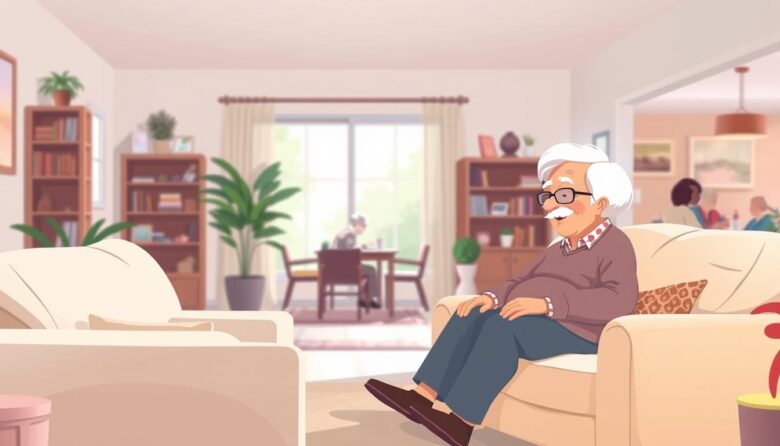
You might be surprised to learn that romance and companionship are thriving in senior living communities. The desire for a meaningful connection does not fade with age. Many find new partnerships during social events and community outings.
A National Poll on Healthy Aging found that over half of people aged 65-80 say intimacy is important to their quality of life. This highlights a deep need for emotional bonds later in life.
This guide helps you understand how residents navigate personal relationship needs. It explores the balance between independence and the desire for companionship within a care setting.
We will look at the emotional benefits and practical aspects of romance for residents. You will see how facilities support these connections while ensuring dignity and safety for everyone.
Whether you are considering a move for yourself or a loved one, this article offers valuable insights. It shows how love and connection continue to enrich life in a supportive home environment.
Understanding Romance in Later Life
The pursuit of emotional fulfillment doesn’t diminish with age—it often becomes more profound and intentional. Many find that romantic connections bring renewed purpose and joy to their daily life. These relationships offer meaningful companionship that enhances overall well-being.
Emotional and Social Benefits of Companionship
Finding romance in your golden years can bring profound emotional rewards. You create opportunities to combat loneliness and rediscover joy. Having someone to share experiences with makes daily living more meaningful.
Research shows that people in romantic relationships experience better mental health outcomes. They often feel more connected to their community. This social integration comes through shared activities and mutual friendships.
Rediscovering Intimacy and Connection
Later life often brings greater clarity about what you truly want from a relationship. This allows for connections that feel deeply authentic. You can build something new with a partner who understands your experiences.
Intimacy and romance extend beyond physical connection. They’re about feeling valued and emotionally supported. This type of love helps you feel seen by someone who genuinely cares.
When you open your heart to new relationships, you give yourself permission for excitement. This emotional connection with potential partners brings novelty and purpose. Your social well-being matters at every stage of life.
Dating in Nursing Homes: What You Need to Know
When exploring companionship while receiving care, you’ll discover that relationships develop differently than in other life stages. The environment itself creates natural opportunities for connection through shared spaces and daily routines.
Unique Opportunities and Challenges
Living in close proximity with others means you naturally spend time together during meals and group activities. This constant interaction can foster meaningful bonds between residents.
However, limited privacy and mobility restrictions present practical challenges. These factors shape how relationships form and develop within the care setting.
Experiences from Real-Life Perspectives
Experts like Dr. Marc Agronin note that deep companionship often blossoms even when romance looks different. Simple gestures become powerful expressions of affection.
He recalls couples who found joy walking hand-in-hand, becoming more engaged in daily life. Their connection brought purpose and happiness despite memory challenges.
Practical Considerations in Senior Settings
Your experience of connection might focus on emotional intimacy rather than physical aspects. Holding hands during activities or sharing meals can feel deeply meaningful.
These relationships bring comfort and renewed purpose to your daily routine. The time spent together creates bonds that enhance overall well-being for all involved.
Health and Well-Being in Romantic Relationships
Did you know that romantic connections can significantly boost your overall wellness as you age? These partnerships offer more than just companionship—they actively support your physical and emotional health. The benefits extend across multiple aspects of your daily experience.
Physical Health and Intimacy Benefits
Your body responds positively to loving connections. Studies show that regular intimacy can improve heart health and strengthen your immune system. This physical connection contributes to better overall wellness.
Maintaining an active sex life supports your vitality. More than half of older adults report that physical intimacy remains important for their quality life. These connections can even contribute to increased longevity.
Mental Health and Emotional Fulfillment
Your mental health flourishes when you share meaningful relationships. Companionship reduces stress levels and creates a more positive outlook. Having someone to confide in makes challenges feel more manageable.
Emotional fulfillment comes from shared experiences and mutual support. This connection brings purpose to your daily routine. Your overall quality of life improves dramatically when you have this special bond.
Navigating Consent and Vulnerability
The ability to give meaningful consent is a complex issue that care communities must navigate thoughtfully. When cognitive challenges like dementia are involved, this becomes especially important for everyone’s well-being.
Assessing Consent, Especially with Cognitive Impairments
When one person has memory issues, evaluating their capacity for consent requires careful observation. Cognitive abilities can change throughout the day, making this assessment challenging.
Your care team plays a vital role in monitoring relationships to ensure they’re truly consensual. They balance privacy with protection for vulnerable patients. This approach helps prevent exploitation while respecting autonomy.
Having dementia doesn’t automatically mean someone cannot experience genuine romantic feelings. The key is finding the right way to support connections that are appropriate and safe.
Addressing Emotional Vulnerability in New Relationships
Opening your heart to someone new involves emotional risk, especially after losing a previous partner. Your feelings of vulnerability are completely normal during this process.
Staff members help create environments where you can express interest safely. They provide support while respecting your dignity as a person. This careful balance ensures relationships develop in a healthy way.
When one partner has cognitive challenges, ongoing communication between care providers and families helps protect everyone involved. This collaborative approach maintains safety while honoring the human need for connection.
Romance in Assisted Living vs. Nursing Homes
Your ability to pursue meaningful relationships depends significantly on the type of senior community you choose. The environment you live in shapes how connections form and develop over time.
Comparing Relationship Dynamics in Different Settings
You’ll find that assisted living facilities often foster more romantic partnerships. According to Dr. Marc Agronin, couples forming are more common in these settings. Residents typically enjoy greater independence and private space.
In contrast, nursing home environments usually feature close companionships rather than full romantic relationships. The higher level of care needed affects how connections develop. You’re more likely to see hand-holding and emotional support than traditional dating.
Privacy, Mobility, and Policy Considerations
The lack of privacy presents real challenges for couples in care facilities. Wheelchair-bound residents face additional barriers to intimate moments. Your mobility level directly impacts relationship opportunities.
Unfortunately, only a few communities have clear policies about sexual expression. Staff members need guidance to support residents appropriately. The physical layout of each facility influences your romantic experiences significantly.
Supporting Healthy Relationships in Senior Living Communities
When your parent finds companionship in their later years, your role as family becomes crucial in fostering a positive environment. Expert Jennifer L. Fitzpatrick reminds us that seeking connection is simply part of being alive at any age.
Practical Advice for Residents and Their Families
Your support can make all the difference for your loved one. Become their confidante and share their excitement about new relationships. This positive approach helps them feel valued and understood.
Work with care staff to ensure your parent has privacy and appropriate spaces for spending time with their partner. Small touches like nice clothing and grooming services boost confidence. Have honest conversations about financial concerns with your parent or advisor.
Building a Supportive Environment Through Community Programs
Facilities play a key role in creating inclusive activities and spaces. These settings allow residents to form connections naturally. Educational programs about relationship skills and safe intimacy practices provide valuable support.
Trained staff members respect privacy while ensuring all relationships remain consensual. Counseling services address emotional challenges that may arise. This comprehensive approach honors each person‘s need for meaningful connection.
Conclusion
The human need for deep connection remains a powerful force throughout our entire life. Your capacity for love and meaningful relationships is an essential part of your identity, no matter your age or living situation.
When we support these bonds in senior living environments, we honor a fundamental human experience. This support significantly boosts health, happiness, and overall quality of life for residents.
Embracing this way of thinking helps reduce the risk of loneliness. It creates a world where every person has the chance to find joy and companionship. Your journey of connection is always worth celebrating.
FAQ
Is it common for people to find partners in assisted living or a nursing home?
How can staff and family members support a healthy romantic relationship for a resident?
What should you do if your parent with dementia starts a new relationship?
Are there special activities for couples in senior living communities?
What are the main benefits of romance for an older adult’s health?
How is dating different in an assisted living facility compared to a nursing home?

Bob Smith is a renowned specialist in relationship dynamics and a dedicated communication coach with over 12 years of experience helping individuals build authentic and lasting connections. With a solid background in Social Psychology and an extensive career in couples counseling, Bob has committed his life’s work to demystifying the complexities of modern dating and emotional intelligence.


